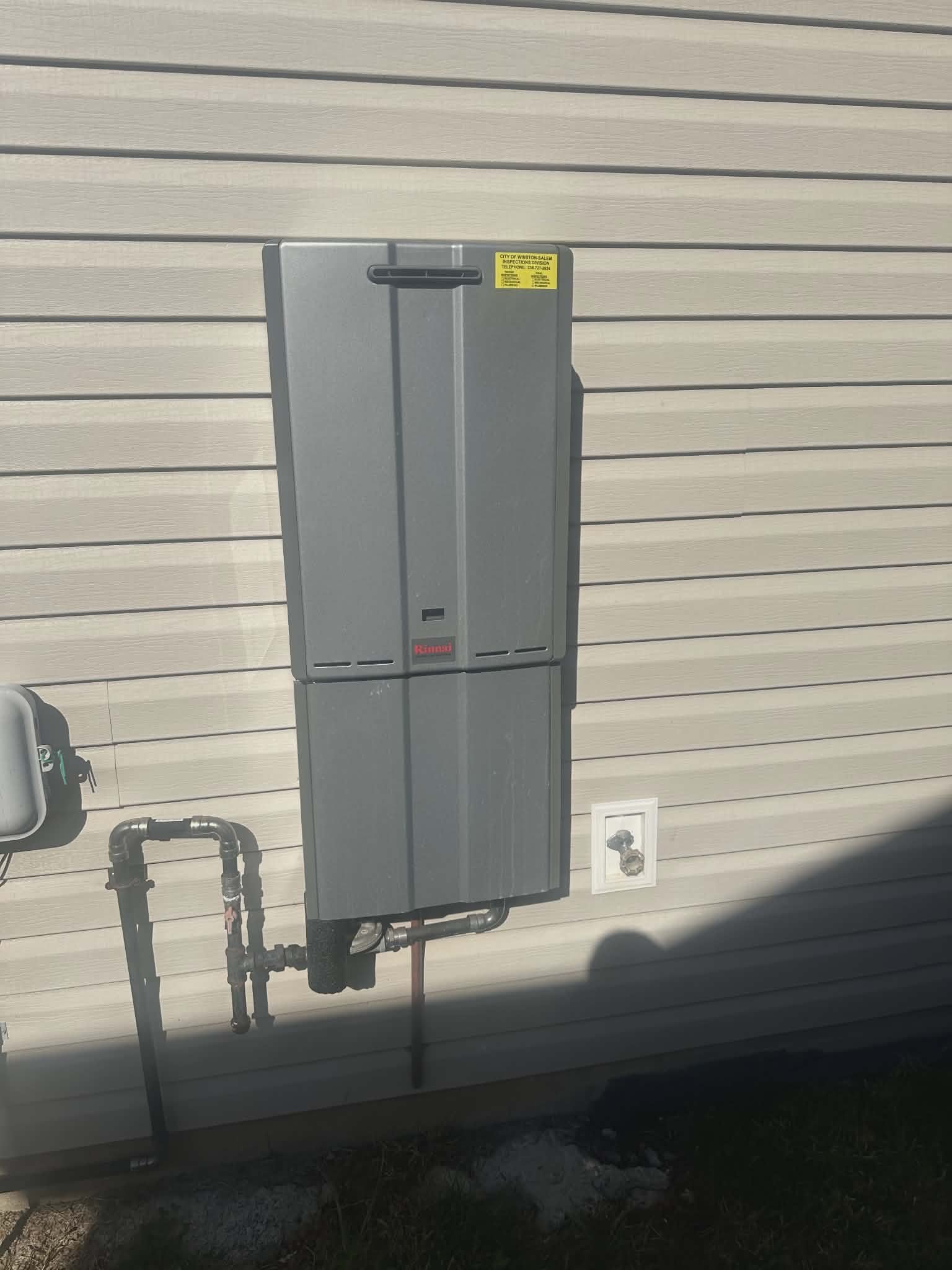
Why Rough-In Inspections Make or Break a New Build's Plumbing
June 19, 2026 · 8 min read
Of all the checkpoints in a new build, the plumbing rough-in inspection carries the most weight for how little attention it tends to get. By the time it rolls around, the underground water and sewer lines are already buried, the framing is up, and every supply, drain, and vent line is run through the walls and floor. This is the last moment any of it is visible without tearing something open.
We have been on a lot of job sites, including plenty where we got called in to clean up another contractor's prior work, and the pattern is hard to miss. The projects with the fewest callbacks are the ones where rough-in got treated like the main event, not a box to tick before drywall. If you are building in Yadkinville, Winston-Salem, or anywhere in the Triad, learning what this inspection covers is one of the simplest ways to judge whether your plumbing was done right.
What a Rough-In Inspection Actually Checks
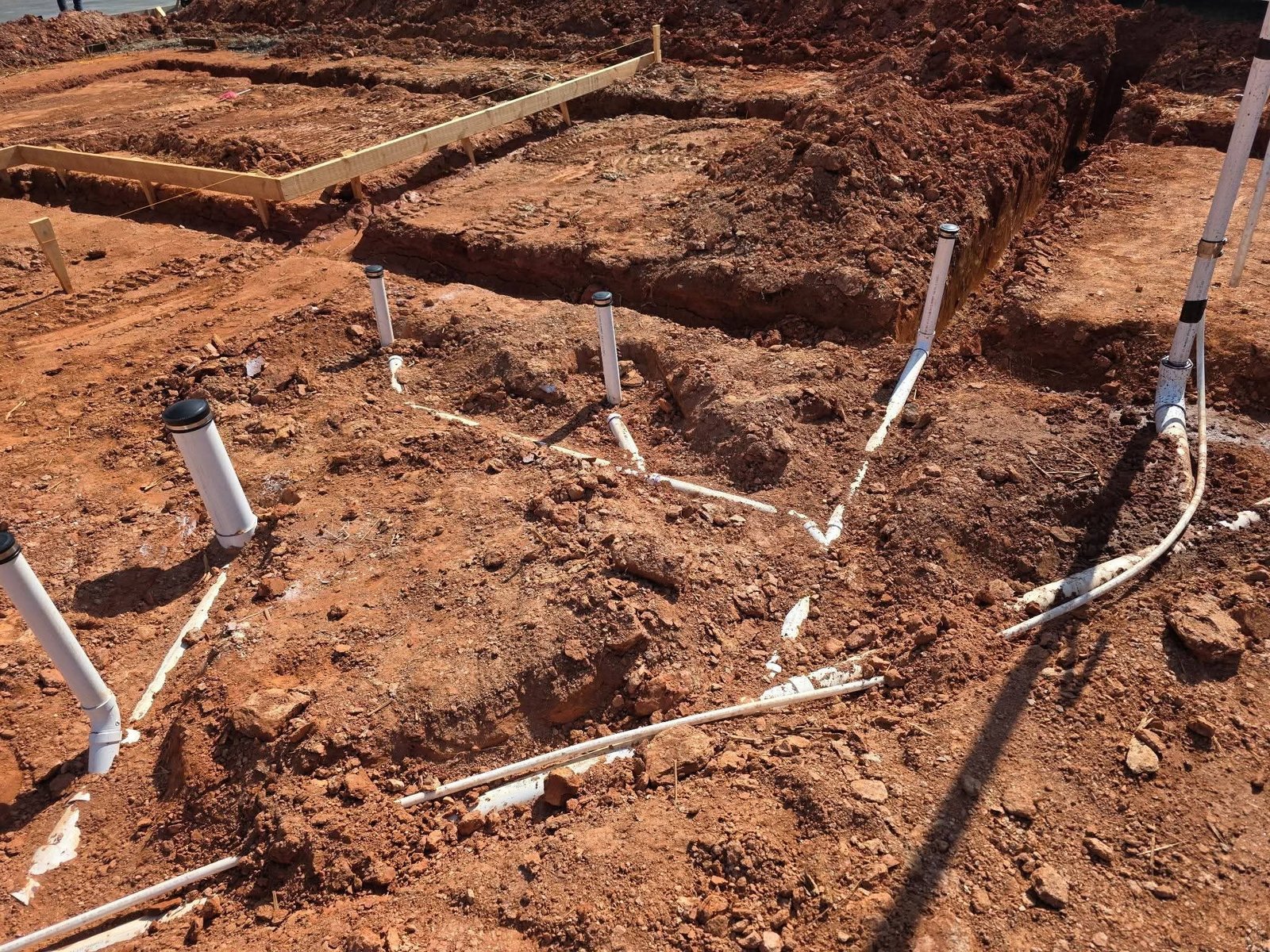
An inspector looking at rough-in plumbing is doing way more than confirming a pipe is present. They are checking pipe sizing against fixture units and code tables. Slope on every drain line. Venting for every trap. Support and strapping so pipes do not sag or stress their joints over the years. And the results of a pressure or air test on the whole system.
Placement gets checked too. Is the toilet flange where it needs to be for the bathroom that actually got framed? Is the shower valve set at a height that works with the specified tile and fixtures? Is there a cleanout where code calls for one? A rough-in can be perfectly watertight and still fail, either with the inspector or with the homeowner later, if it does not match the finished space it is supposed to serve.
The Pressure Test Most Homeowners Never Hear About
Before rough-in gets signed off, the system gets pressurized. Water lines are tested with water or air. Drain and vent lines get tested with air or water, depending on local code. Then the system sits, holding that pressure for a set stretch of time, to prove there is no leak anywhere in it. This one test is what catches a bad joint, a cracked fitting, or a connection that looked seated but was not.
Skipping the test, or cutting it short, is one of the most common shortcuts we find when we inherit a project. A slow leak will not show up in a five-minute glance. It will absolutely show up over a test that is held the way it is supposed to be. And finding it at rough-in is almost free compared to finding it after the walls are finished and the family has moved in.
Why Rushing This Stage Costs More Later
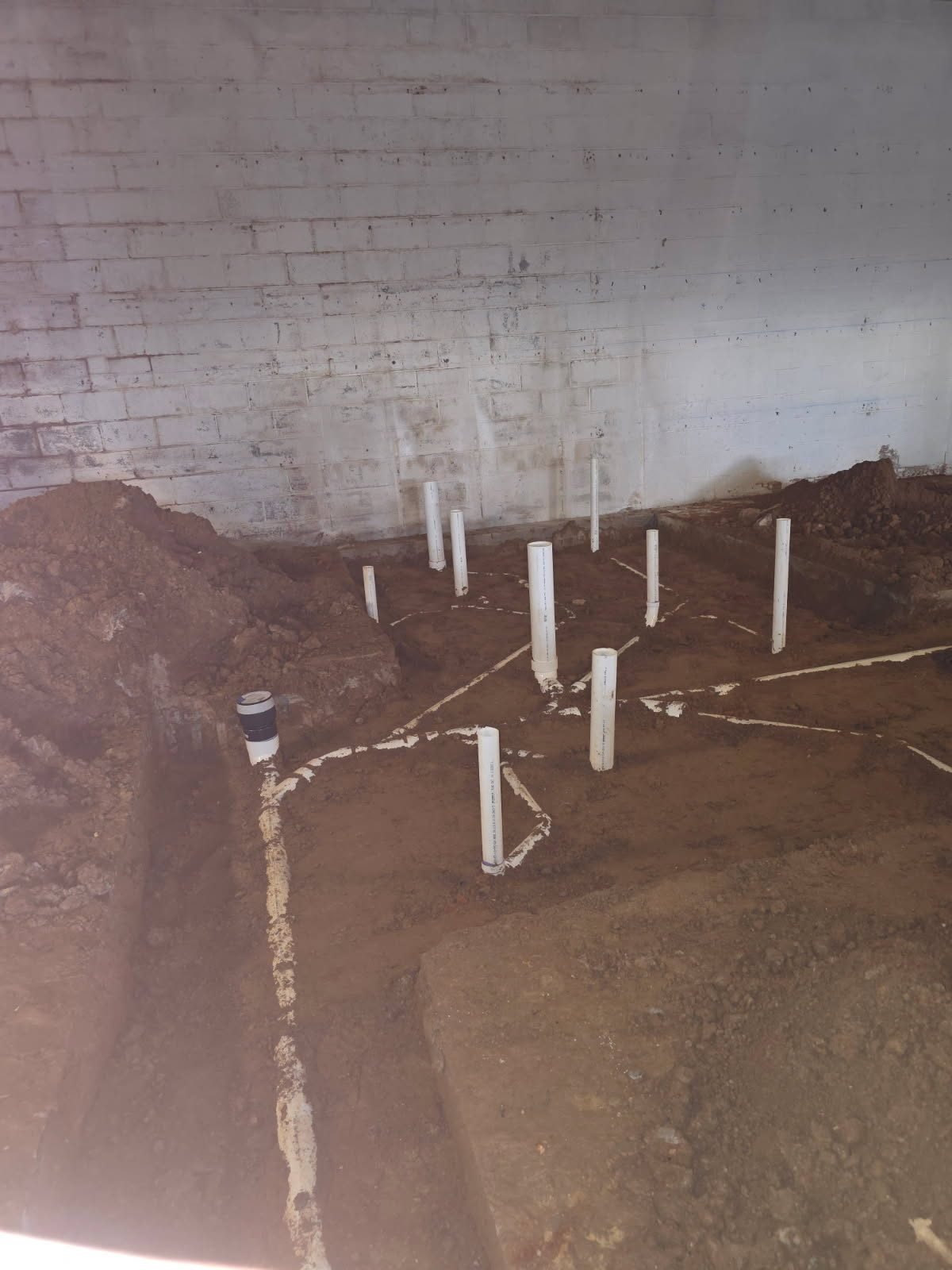
Construction schedules push hard on every phase, and rough-in is no exception. But every corner cut here ends up sealed behind drywall, under insulation, or below the flooring. So the cost of a mistake found in month eleven instead of at the inspection is not just the plumbing repair. It is the drywall. The paint. The flooring. Sometimes the cabinetry that has to come out to reach it.
Passing rough-in on the first try is not about dodging paperwork. It is the cheapest point in the entire build to confirm the plumbing is right, because it is the last point where right is still easy to see and easy to fix.
How a Careful Crew Prepares for It
We treat the rough-in inspection as our deadline, not the inspector's. Every line gets checked against the fixture layout. Every joint gets pressure tested and held. Every vent gets traced to confirm it ties in correctly. All of that happens before the inspector ever shows up. That is the gap between passing an inspection and actually trusting what is behind the wall for the next fifty years.
It makes the real inspection quicker, too, which keeps the build on schedule. An inspector who walks up to a clean, labeled, pressure-tested system spends less time hunting for trouble and more time signing off. The general contractor moves to the next phase without eating a re-inspection delay.
The mistake we usually find
On more than one job we took over mid-build, the prior rough-in had vents that were technically there but routed in a way that would not actually stop a trap from siphoning. That passes a quick look. It does not pass a careful one.
How we fix it
We trace every vent line back to its fixture and confirm it meets code for distance and slope before we call rough-in finished, not after an inspector flags it for us.
FAQ
Common Questions
Got an idea?
Got a topic you'd like a pro to cover? Tell us and we'll write for you.
Send the question that has been bugging you. If it is plumbing, we have probably fixed it, and we will turn the answer into a post.
Suggest a topicNeed this fixed, not just diagnosed?
New Construction Plumbing from a crew that documents the work and stands behind it with a warranty.